
How the Delta Breeze Affects Your Roof (And How to Prevent Moisture Damage)
For anyone living in the East Bay, the Delta Breeze is a welcome friend on a warm afternoon. That cool, refreshing wind that rolls in through the Carquinez Strait provides natural air conditioning and makes our climate so pleasant. But while we enjoy the relief it brings, that same breeze carries something that can be a hidden threat to your home: moisture. Over time, this persistent moisture can silently compromise your roof's structure, leading to costly repairs. At Berkeley Roof Services, we understand our unique local climate and want to help you protect your most important investment. This guide will explain how the Delta Breeze impacts your roof and what you can do to ensure your home stays safe and dry for years to come.
The Hidden Dangers of Trapped Moisture
When the cool, damp air from the Delta Breeze enters a hot, stagnant attic, it creates the perfect conditions for condensation. As warm air rises inside your home, it meets the cooler roof deck, and moisture forms—much like water droplets on a cold glass of water. Without a way to escape, this trapped moisture becomes a serious problem. It can lead to:
- Mold and Mildew: A damp, dark attic is an ideal breeding ground for mold and mildew, which can cause unpleasant odors and pose health risks to your family.
- Wood Rot: Persistent moisture will eventually cause the wooden components of your roof—the decking, rafters, and joists—to rot and weaken, compromising the structural integrity of your entire home.
- Reduced Insulation Efficiency: When insulation becomes damp, it compresses and loses its ability to insulate effectively. This leads to higher energy bills as your HVAC system works harder to maintain a comfortable temperature.
- Premature Roof Aging: Moisture can accelerate the deterioration of your roofing materials from the inside out, shortening the lifespan of your roof and leading to an earlier-than-expected replacement.
Signs Your Roof Is Struggling with Moisture
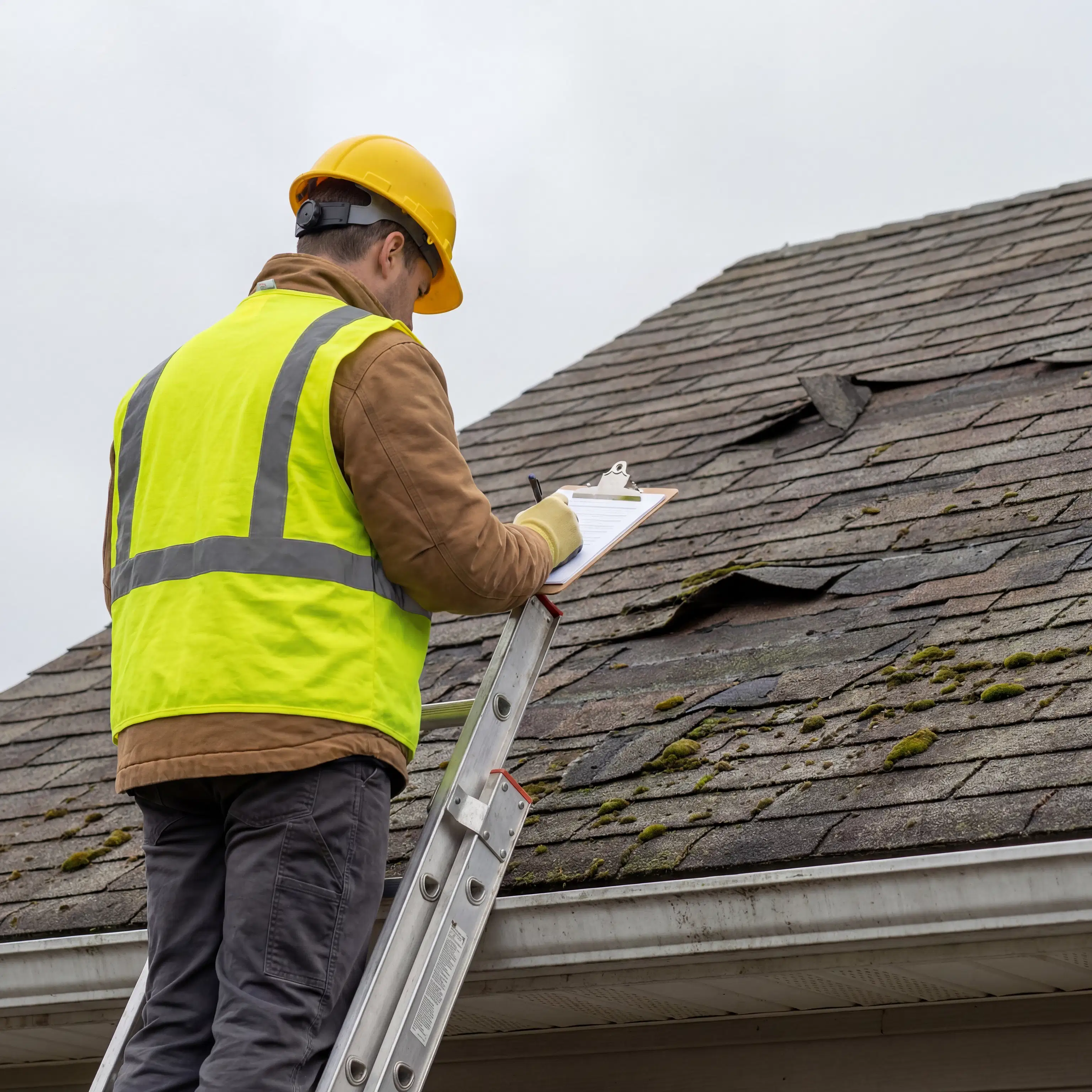
Because the problem starts inside your attic, it can be difficult to spot until significant damage has occurred. However, there are several telltale signs that your home may have a moisture or ventilation issue. Keep an eye out for:
- Stains or discoloration appearing on your ceilings or walls.
- A musty, mildew-like smell in your attic or on the upper floor of your home.
- Peeling or blistering paint on the ceilings or near the roofline.
- Curling, buckling, or deteriorating shingles on the exterior of your roof.
- Visible frost on the underside of your roof sheathing during cold weather.
If you notice any of these warning signs, it’s crucial to have your roof and attic inspected by a professional to determine the cause and prevent further damage.
Your Best Defense: Proper Roof Ventilation
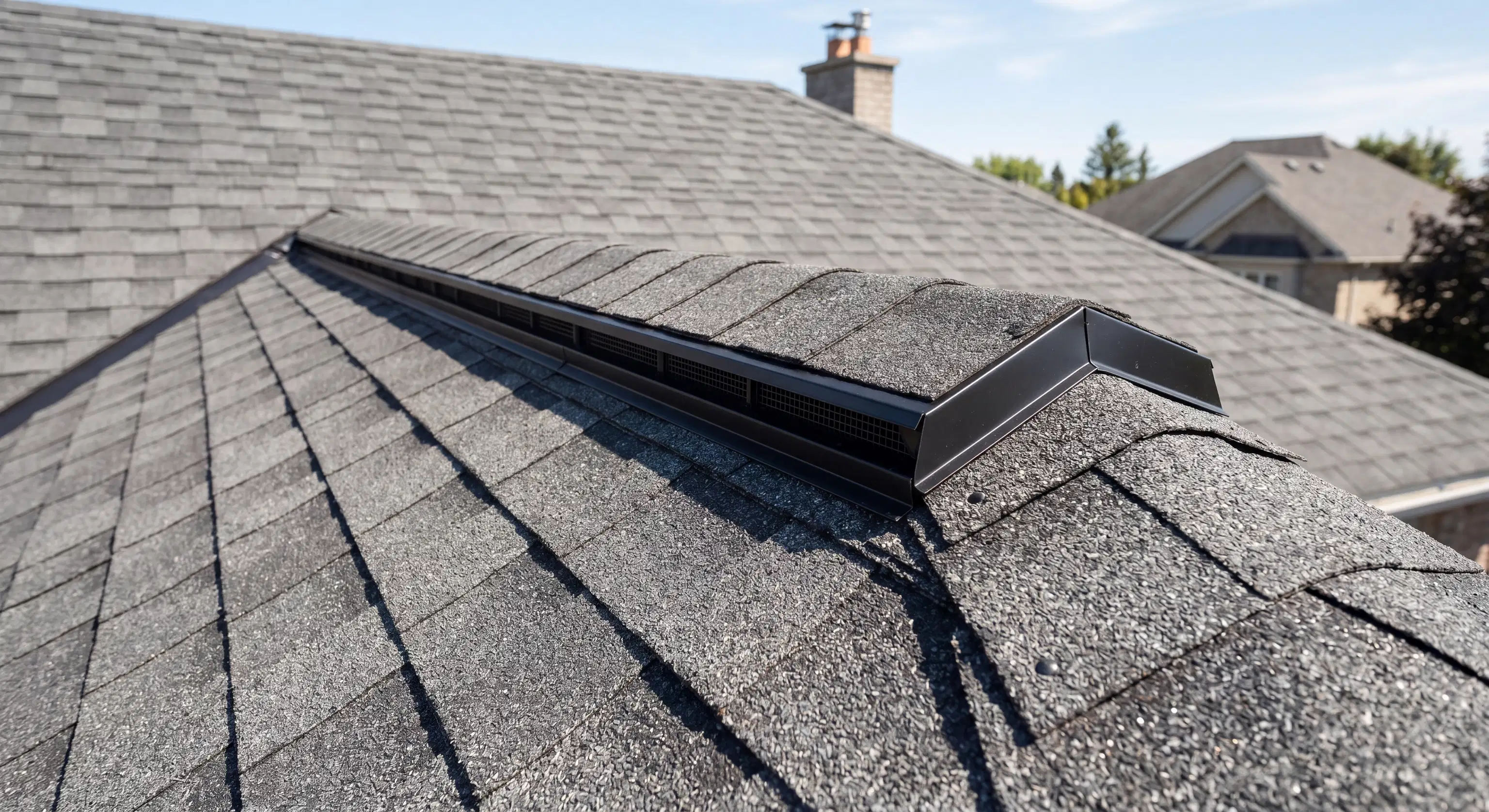
The single most effective way to combat moisture from the Delta Breeze is with a properly designed and installed roof ventilation system. A healthy roof needs to breathe. The goal is to create a continuous flow of air through the attic space, which pulls in cool, dry air and pushes out warm, moist air before it has a chance to condense.
A balanced ventilation system typically includes:
- Intake Vents: Located at the lowest part of the roof (usually in the soffits or eaves), these vents allow cool, fresh air to enter the attic.
- Exhaust Vents: Placed at the highest point of the roof (like ridge vents), these allow the hot, moist air that has risen to the peak to escape.
This system works year-round to keep your attic dry and protect your home. Modern roofing systems, including high-quality asphalt shingles, are designed to integrate seamlessly with these ventilation components. It's also vital that any roof penetrations, such as those for plumbing vents or beautiful skylights, are expertly sealed to block any potential entry points for moisture.
Reinforcing Your Roof's Defenses
While ventilation is the star player, other elements of your roofing system provide critical support in the fight against moisture. A high-quality, water-resistant underlayment acts as a crucial secondary barrier beneath your shingles. Furthermore, expertly installed flashing is essential for protecting the most vulnerable areas of your roof. Using durable materials like custom metal for flashing around chimneys, valleys, and vents ensures a watertight seal that can withstand our local weather for decades. Regular inspections can help you catch any potential issues with these components before they escalate into major problems.
Enjoy the Breeze, Protect Your Investment
The Delta Breeze is one of the best parts of living here, and with the right roofing system, you can enjoy it without worrying about the health of your home. By ensuring your attic is properly ventilated and your roof is in good condition, you protect your home's structure, improve energy efficiency, and secure your peace of mind.
If you're concerned about moisture in your attic or haven't had your roof's ventilation checked in a while, we're here to help. Contact Berkeley Roof Services today for a comprehensive roof inspection. Our experienced team can assess your current system and provide expert solutions to keep your Martinez-area home safe and dry for years to come.