
Understanding Roof Warranties and Workmanship Guarantees
Investing in a new roof is one of the most significant decisions you will make for your home. It provides essential protection against the elements, enhances your property's curb appeal, and boosts its overall value. However, finding peace of mind requires more than simply choosing the right materials; it requires understanding the protections that come with your investment. If you have ever felt overwhelmed by the fine print when researching roofing companies, you are entirely not alone. Homeowners often struggle to differentiate between the various types of coverage offered, especially when trying to spot legitimate contractors in the East Bay.
A quality roof is only as good as the guarantee that stands behind it. Unfortunately, a major pain point for many property owners is navigating the complex terminology surrounding product guarantees and contractor promises. Understanding these distinctions is critical to ensuring your home remains protected long after the final shingle is installed. Let's break down the essential components of roof warranties, what they actually mean for you, and how to safeguard your coverage for years to come.
The Core Difference: Roofing Manufacturer Warranty vs Workmanship Warranty
When you hire a contractor for roofing services, you will typically encounter two distinct types of warranties. Understanding the difference between a roofing manufacturer warranty vs workmanship warranty is your first step in evaluating any proposal.
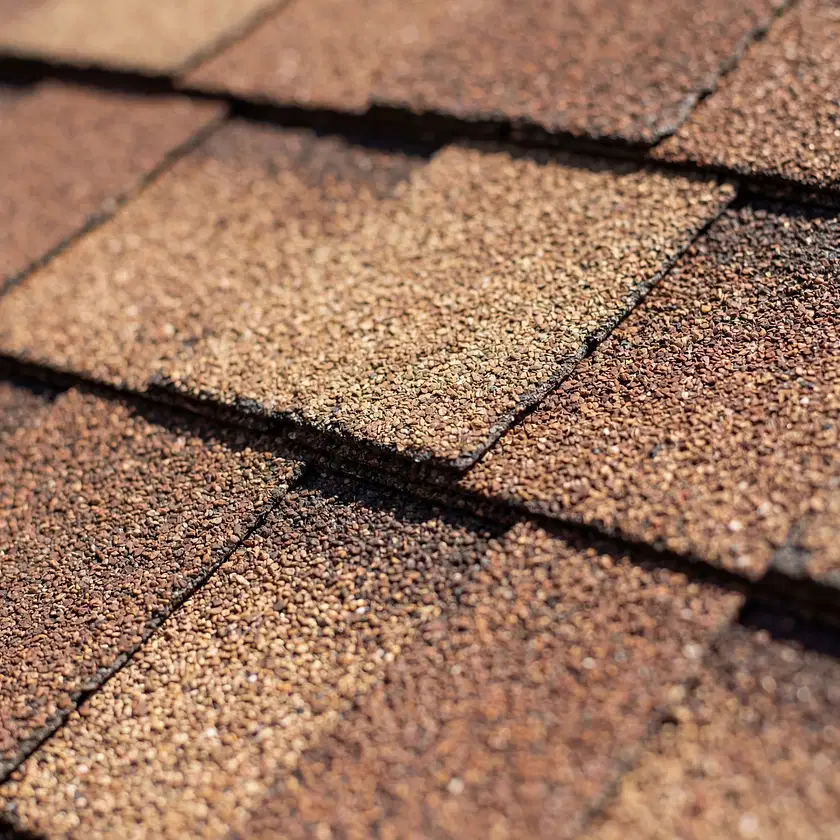
The manufacturer warranty is provided by the company that produces the roofing materials. Whether you are opting for traditional Asphalt shingles or highly durable Metal Roofing, this warranty covers defects in the materials themselves. If your shingles prematurely blister, crack, or degrade due to a factory error, the manufacturer steps in to replace the defective product. Depending on the brand and the tier of materials you purchase, these warranties can last anywhere from 20 years to a lifetime.
Conversely, the workmanship guarantee is provided directly by your contractor. This covers the actual installation process. Even the highest-grade materials will fail if they are installed incorrectly. A robust workmanship warranty protects you against human error, such as improper nailing, poor flashing integration, or inadequate ventilation installation. At Berkeley Roof Services, we pride ourselves on exceptional installation standards, ensuring that the skill of our crew matches the high quality of the materials we use.
Exactly What Does a Roof Warranty Cover?
A common question we hear from homeowners is: what does a roof warranty cover in practical terms? While exact details vary by manufacturer and contractor, standard warranties generally address specific failure points.
Material warranties usually cover premature deterioration and factory defects. For example, if a batch of shingles loses its protective granules significantly faster than the industry standard, the manufacturer will typically provide replacement materials. Many premium manufacturer warranties also include wind resistance guarantees, ensuring the shingles will stay attached up to a specified wind speed—a crucial feature during strong coastal storms.
Workmanship warranties cover the labor required to fix installation-related leaks or failures. If an error was made around your Skylights or chimney flashing that allows water to penetrate your home, your contractor's workmanship warranty should cover the cost of the necessary roofing repair to fix the issue. It is incredibly important to read the details, as some warranties prorate over time, meaning the coverage amount decreases as your roof ages.
How to Avoid Voiding Your Roof Warranty
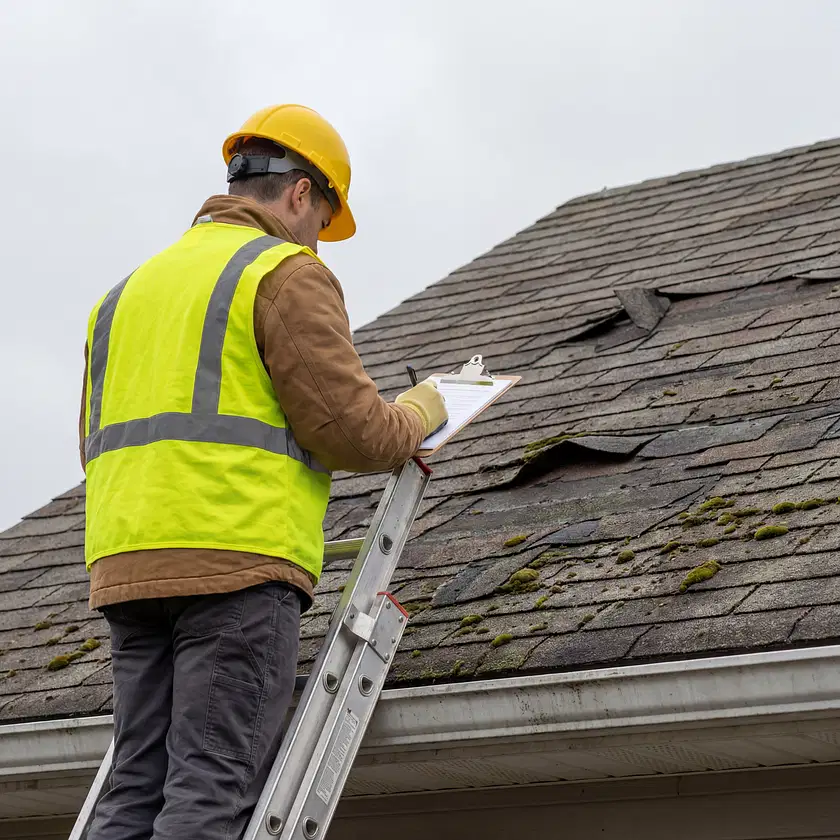
Having excellent coverage is wonderful, but maintaining it is entirely in your hands. Knowing how to avoid voiding your roof warranty can save you thousands of dollars down the road. Many homeowners unintentionally invalidate their protections through seemingly harmless actions.
The most common way to void a warranty is through improper ventilation. Manufacturers require specific attic ventilation standards to prevent excessive heat and moisture buildup, which bakes shingles from the inside out. If a contractor installs new shingles without ensuring adequate airflow, the manufacturer will almost certainly deny any future claims.
Another major pitfall is unauthorized DIY modifications or hiring unqualified handymen for fixes. Installing a new satellite dish, adding a solar panel array without consulting your original roofer, or pressure washing your shingles can all instantly void your protections. Always consult with certified professionals before making any alterations to your roof deck. Finally, layering new shingles over an old roof (a "layover") rather than performing a complete tear-off is frequently grounds for voiding a manufacturer warranty, as it prevents a proper inspection of the underlying decking.
Are Roof Warranties Transferable to New Buyers?
If you plan to sell your home in the future, you might be wondering: are roof warranties transferable to new buyers? The short answer is usually yes, but there are strict procedures that must be followed.
A transferable warranty is a massive selling point in the local real estate market, signaling to potential buyers that the home has been well-maintained by reputable professionals. Most major material manufacturers allow you to transfer their warranty to a second owner. However, this is rarely an automatic process. Typically, you must notify the manufacturer in writing within a specific timeframe (often 30 to 60 days) after the real estate transaction closes.
Workmanship warranties vary much more widely. Some local contractors refuse to transfer their labor guarantees, while established, reputable companies are more likely to stand behind their work regardless of who holds the deed. Always ask for this information in writing before signing your initial installation contract.
Protecting Your Home for the Long Haul
Navigating the ins and outs of roofing guarantees does not have to be a stressful experience. The key is to partner with a trusted, established local business that values transparency and takes the time to explain your options clearly. When you combine top-tier materials with expert installation and robust warranties, you secure your home against whatever the California weather brings.
At Berkeley Roof Services, we are committed to providing our community with straightforward, honest guidance and superior craftsmanship. If you have questions about your current warranty, need an inspection, or are considering an upgrade, we are here to help. Reach out to us through our Contact Us page to discuss your project and discover why homeowners throughout Oakland and the greater Bay Area trust us to protect their most valuable assets.