
Solving Flat Roof Drainage and Ponding Problems
If you own a commercial building or a modern home in Oakland, chances are you are quite familiar with flat and low-slope roofs. They offer fantastic architectural aesthetics, provide space for HVAC equipment, and are the perfect foundation for solar panel installations. However, without the natural gravity-assisted runoff of a traditional pitched roof, these structures face a unique set of challenges. The most persistent and damaging of these challenges is ponding water.
In the roofing industry, "ponding" refers to any water that remains on a roof for more than 48 hours after a rainstorm. While a small puddle might seem harmless, standing water is actually one of the primary culprits behind premature roof failure. Because water acts like a magnifying glass for the sun's harsh UV rays, it rapidly breaks down roofing materials. Furthermore, the sheer weight of accumulated water—at roughly eight pounds per gallon—can severely stress the structural integrity of your building, leading to sagging decks and compounding the drainage issue.
Whether you are managing a large commercial facility or a residential property, understanding flat roof drainage systems for standing water is essential. By taking proactive steps to ensure proper runoff, you can extend the lifespan of your roof, prevent costly interior leaks, and protect your long-term investment. Let's explore why these drainage issues happen, how to identify them early, and the most effective solutions to keep your building dry and secure.
Identifying Signs of Ponding Water Damage on a Flat Roof
Many property owners ask us how to know if a roof needs to be repaired or completely replaced. When it comes to flat roofs, the answer often lies in the subtle clues left behind by poor drainage. Recognizing the early signs of ponding water damage on a flat roof can save you from a major catastrophe down the line.
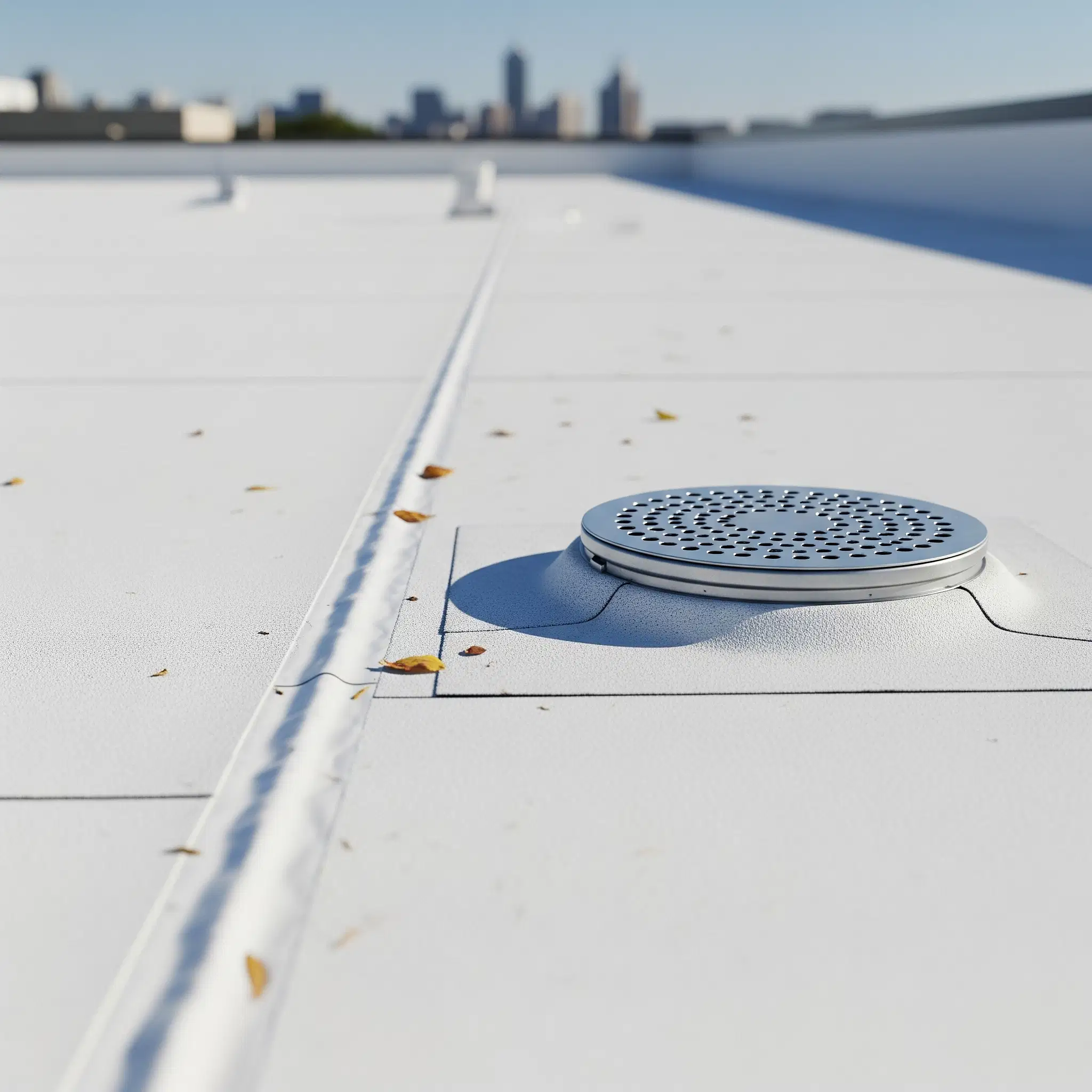
One of the most obvious indicators is the presence of dark, circular stains or dirt rings on the surface of the roof. Even during the dry summer months, these concentric dirt marks outline exactly where water regularly pools and eventually evaporates. You might also notice bubbling or blistering in the roofing membrane. This happens when moisture penetrates the top layer and becomes trapped; as the sun heats the roof, the moisture expands, creating raised bubbles that weaken the material.
Additionally, pay close attention to the seams of your roofing membrane. Standing water slowly degrades the adhesives and heat-welded joints, causing the seams to separate or peel back. Once a seam is compromised, water easily finds its way into the underlying insulation and eventually into your building's interior.
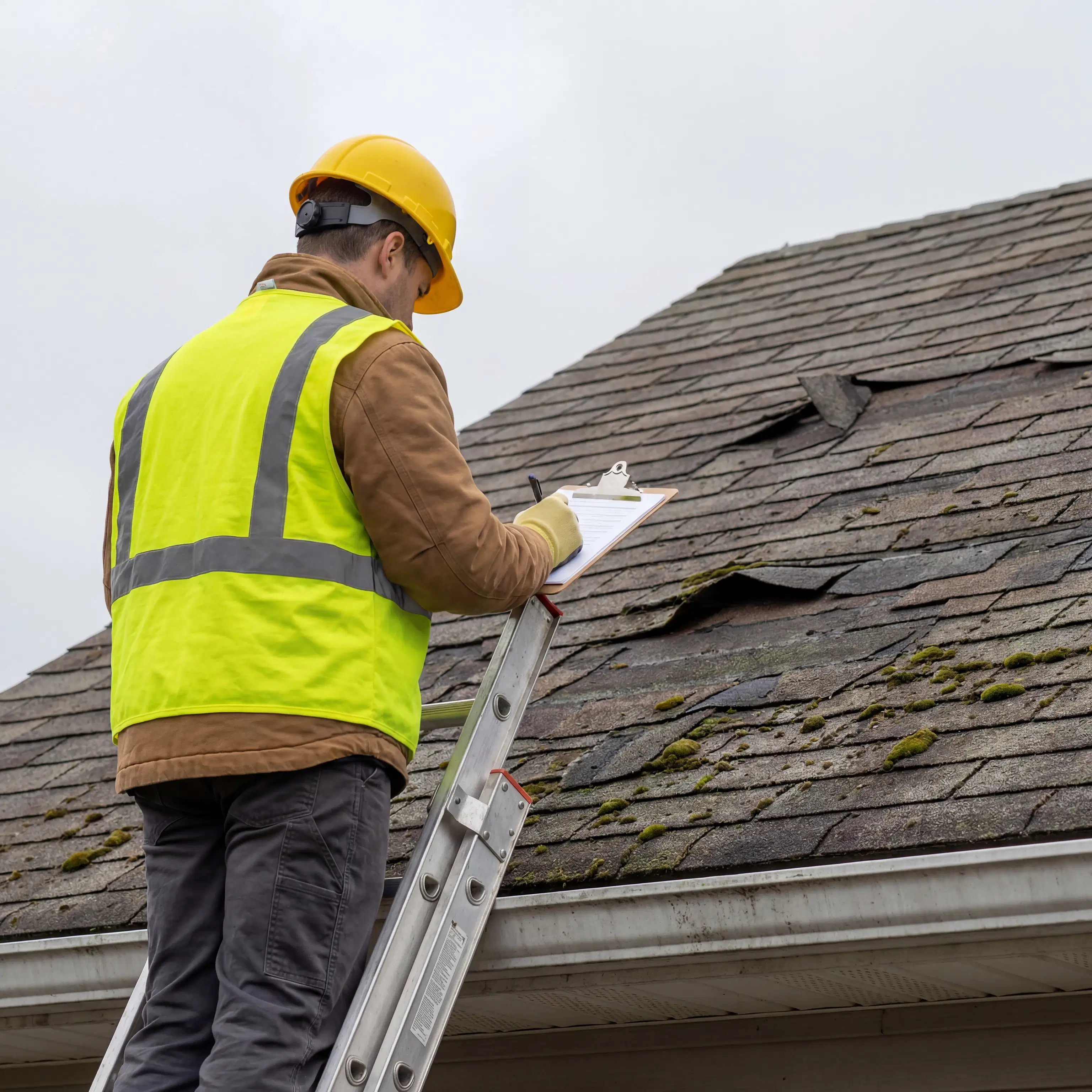
Today, we no longer have to rely on guesswork to assess these issues. Advancements in technology allow us to use high-resolution drone inspections and 3D aerial modeling to safely and accurately evaluate the extent of the damage. This digital-first approach ensures that we catch minute variations in the roof's pitch and identify the exact locations where water is accumulating, allowing for highly accurate, transparent roofing quotes without ever putting a foot wrong on your property.
Preventing Water Accumulation on Low Slope Roofs
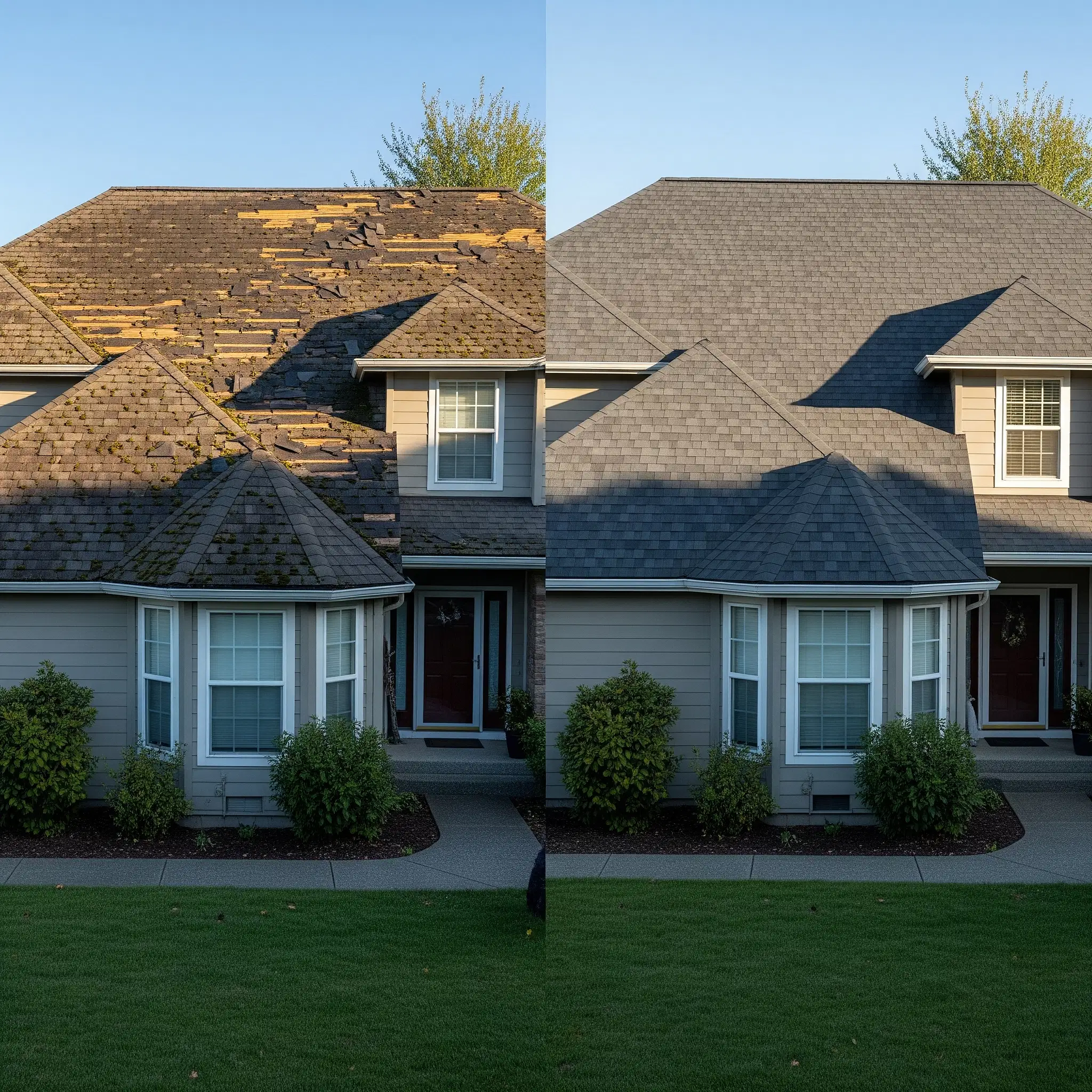
When clients ask how to fix flat roof ponding water, the solution is rarely a one-size-fits-all patch. Effective mitigation requires a combination of proper material selection and advanced structural drainage solutions. If your current roof is severely compromised, a full replacement with a built-in slope might be the most cost-effective long-term strategy.
The foundation of preventing water accumulation on a low slope roof is ensuring the surface actually has a slight pitch. We achieve this by installing tapered insulation beneath the roofing membrane. Tapered insulation systems are custom-cut to create a gentle, continuous slope that directs water toward your designated drainage points, such as scuppers, interior drains, or edge gutters.
Equally important is selecting the right membrane to handle the demanding weather conditions of the region. For flat roofs, two of the most reliable options we provide are PVC and modified bitumen systems.
Installing PVC (Polyvinyl Chloride) is an incredibly popular choice for property owners prioritizing energy efficiency and sustainability. PVC is a highly durable, flexible, and eco-friendly cool roof material. Its white, reflective surface deflects UV rays, drastically lowering cooling costs during the summer while easily withstanding the stress of occasional standing water due to its heat-welded seams.
Alternatively, Modified Bitumen is a robust, time-tested solution that combines traditional asphalt with modern polymer modifiers. This multi-ply system provides exceptional thickness and puncture resistance, making it ideal for roofs that experience high foot traffic from HVAC maintenance crews. Both materials come with strong manufacturer warranties, but the key to their performance is flawless installation by licensed professionals.
Making the Right Choice for Your Property
Investing in roofing services is a significant decision, and we understand that property owners prioritize transparent pricing, reliable communication, and comprehensive coverage. When evaluating your options for roofing repair or replacement, it is crucial to understand the difference between a manufacturer warranty, which covers the physical materials, and a contractor workmanship warranty, which guarantees the quality of the installation. A premium material like PVC is only as good as the team installing it.
Because the Bay Area experiences a mix of intense summer sun and heavy winter rains, your flat roof needs to be resilient, compliant with local building codes, and properly drained. Navigating these requirements shouldn't be stressful. Working with a fully licensed, bonded, and insured team ensures that your project is handled safely and professionally from the initial drone inspection to the final walkthrough.
If you have noticed signs of standing water or simply want peace of mind before the next rainy season, we are here to help. Our team provides detailed, honest assessments and flexible financing options to make your roof restoration as smooth as possible. Don't let ponding water compromise the structural integrity of your building. Reach out to Berkeley Roof Services today through our contact page to schedule a comprehensive evaluation of your East Bay property, and let us design a drainage solution that stands the test of time.