
Preserving History: A Guide to Restoring Historic Tile and Slate Roofs
Walking through our vibrant neighborhoods, it is impossible not to admire the rich architectural tapestry that defines our local landscape. From the elegant, towering Victorians in The Flatlands to the classic, sprawling Craftsman Bungalow designs nestled into the hillsides, our region is home to some truly magnificent historic properties. A defining feature of these classic homes is often found right at the very top: beautifully crafted tile and slate roofs.
However, owning a piece of history comes with its own unique set of responsibilities. Over the decades, even the most durable historic roofs face relentless exposure to the elements. Whether it is the damp, heavy moisture brought in by the morning marine layer or the intense afternoon sun baking the clay, time eventually takes its toll. Restoring these classic rooftops is not just about slapping on modern materials and calling it a day. It requires a delicate balance of preserving the original architectural integrity while upgrading the underlying systems to meet today's rigorous safety and energy standards.
For homeowners, navigating this process can feel overwhelming. Balancing historical accuracy with modern efficiency, understanding local building codes, and finding craftsmen who truly understand these heritage materials are significant challenges. In this guide, we will walk you through everything you need to know about caring for, inspecting, and restoring your historic roof.
The Timeless Appeal of Tile and Slate
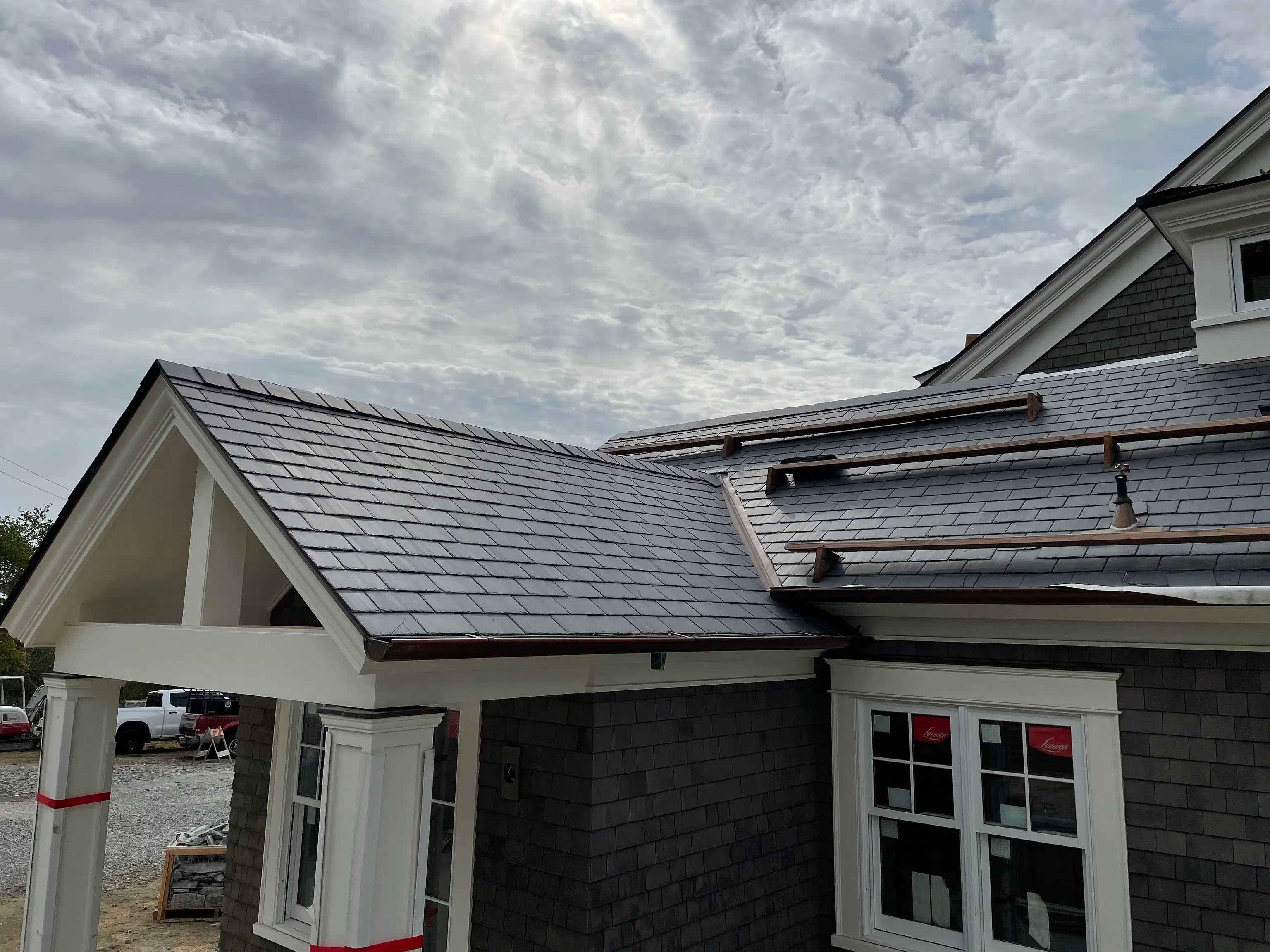
There is a reason why builders a century ago chose slate and clay tile for their premier projects. These materials are incredibly resilient, naturally fire-resistant, and offer an unparalleled aesthetic richness that synthetic alternatives often struggle to replicate. A well-maintained slate roof can easily last over a century, while high-quality clay tiles boast a lifespan of fifty years or more.
When it comes to restoring historic slate and tile roofing, the goal is always preservation first. Many homeowners assume that an aging roof automatically requires a full replacement, but this is rarely the case with premium historic materials. Often, the tiles or slate pieces themselves are still in excellent condition. The actual failure usually occurs in the hidden components beneath them, such as the felt underlayment, the wooden battens, or the metal fasteners which can rust and degrade over decades of exposure.
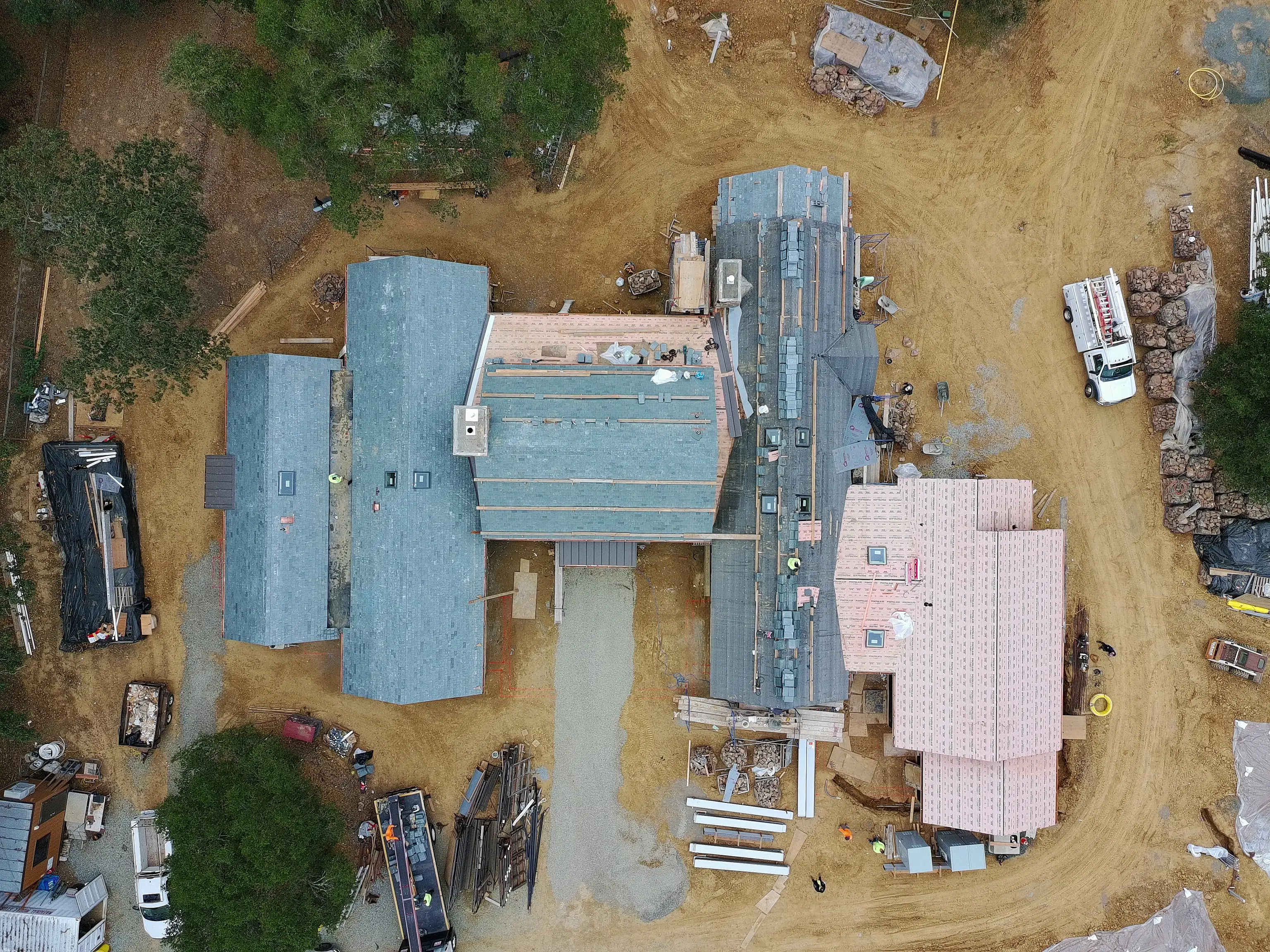
Effective clay tile roof maintenance and repair tips often center around gently removing the historic tiles, replacing the failing modern substructure with advanced, long-lasting waterproofing materials, and then carefully reinstalling the original tiles. This process, often referred to as a 'lift and relay,' ensures that the historic character of your home remains completely intact while providing you with decades of renewed, leak-free protection. For extensive restoration projects, sourcing matching reclaimed tiles or expertly crafted new ones is an art form we specialize in, which you can learn more about through our dedicated Tile and Slate Roofing services.
Identifying Wear and Tear on Heritage Roofs
Knowing how to spot the early warning signs of roof degradation can save historic homeowners thousands of dollars in emergency leak repair costs. However, inspecting a steeply pitched, century-old roof is not a weekend DIY project. Walking on aged slate or clay tiles without proper weight distribution can cause irreversible cracking and damage.
If you want to know how to inspect slate roof tiles for damage safely from the ground, grab a pair of binoculars and look for a few key indicators. First, check for any missing, sliding, or visibly cracked tiles. A single slipped slate might seem minor, but it exposes the vulnerable underlayment to sun and rain, leading to rapid deterioration. Second, look for a powdery, white residue on the surface of clay tiles known as efflorescence, which indicates excessive moisture absorption. Finally, pay close attention to the rooflines and valleys. If you notice a sagging roof deck, this points to structural rot beneath the tiles, likely caused by long-term water intrusion.
When it comes time for a comprehensive physical evaluation, it is crucial to rely on a licensed, bonded, and insured roofing contractor who specializes in heritage properties. General handymen or uncertified contractors often lack the specialized knowledge required to navigate brittle historic materials, and a misstep can lead to shattered tiles or voided warranties.
Upgrading Safely: The Importance of Custom Metalwork
One of the most critical, yet frequently overlooked, aspects of historic roof restoration is the metal flashing. Flashing is the material used to seal the vital joints and transitions on your roof, such as the valleys where two roof planes meet, the areas around historic brick chimneys, and the edges of dormer windows. In older homes, these components were often made from copper or galvanized steel, which eventually corrode, thin out, and crack over time.
Integrating custom architectural flashing for old roofs is the secret to a successful restoration. Standard, off-the-shelf flashing simply does not fit the unique, settling angles of a century-old house, nor does it complement the visual weight of slate or tile. Upgrading to high-quality, hand-fabricated metal components ensures a watertight seal that flexes naturally with the home's seasonal expansions and contractions.
Whether you are dealing with ornate parapets or a complex chimney saddle, tailored metalwork is essential for both performance and historical accuracy. We highly recommend exploring our Custom Metal solutions to see how bespoke fabrication can extend the life of your heritage roof while seamlessly blending with its original design.
Navigating Building Codes and Sustainability
A major concern for homeowners undertaking a large-scale roofing project is navigating the complex web of local building codes and strict energy efficiency mandates, such as California Title 24 cool roof requirements. Fortunately, preserving your home's historic charm and achieving modern energy efficiency are not mutually exclusive.
Many premium clay and concrete tiles naturally possess high thermal mass, which helps regulate indoor temperatures by slowing the transfer of heat. Furthermore, modern roofing technologies allow us to install highly reflective, radiant barrier underlayments beneath your historic tiles. This unseen upgrade dramatically improves your home's energy efficiency, helping to combat the urban heat island effect while keeping your utility bills in check during the warmer months.
Additionally, because historic preservation is so valued in our community, there are often specific permitting pathways for restorative work. A reputable local contractor will handle the entire permitting process for you, ensuring that all work is fully compliant with municipal codes without sacrificing the architectural soul of your property.
Preserving Your Home's Legacy in The Town
Restoring a historic roof is a significant investment in your property's future and a commitment to preserving the architectural legacy of our vibrant community. It requires an appreciation for traditional craftsmanship, a deep understanding of modern building science, and an unwavering commitment to quality.
When you are ready to give your historic home the care it deserves, partnering with a deeply experienced, local team makes all the difference. At Berkeley Roof Services, we are proud to bring decades of specialized expertise to homeowners throughout the East Bay. Our team is fully licensed, insured, and dedicated to delivering transparent, long-lasting results that honor the history of your home.
If you have concerns about the condition of your heritage roof or are considering a restorative upgrade, we are here to help. Reach out to us through our Contact Us page to schedule a comprehensive, professional evaluation of your historic property today.