
Choosing the Right Flat Roof Membrane for Your Property
When it comes to maintaining a home or commercial building in Oakland, navigating the weather can be more complex than people realize. Between the coastal marine layer that brings damp mornings and the intense afternoon sun that beats down on exposed surfaces, your roof has to handle a wide range of conditions. For properties with flat or low-slope architecture, choosing the right roofing material isn't just an aesthetic preference—it is a critical decision that impacts the longevity and safety of your structure.
Unlike traditional sloped roofs that rely on gravity to quickly shed water, flat roofs face a unique set of challenges. When the heavy rainy winter season arrives, a poorly designed or aging flat roof can quickly develop ponding water, leading to the stressful need for emergency roof leak repair. With the high cost of living and property maintenance in the area, homeowners and property managers are increasingly focused on finding reliable, long-lasting solutions that provide excellent return on investment.
Whether you are constructing a new ADU in your backyard or upgrading a classic mid-century home, understanding your membrane options is the first step toward a secure, weather-tight building.
The Unique Demands of Low-Slope Roofing
The most significant enemy of any flat roof is standing water. When structural settling occurs or drainage systems become clogged with debris, water can pool on the surface. If your roofing membrane isn't designed to withstand continuous exposure to moisture, this ponding water will eventually break down the material, penetrate the underlayment, and cause significant interior water damage.
Finding the best low slope roofing membrane for ponding water requires looking at materials that offer seamless or highly reinforced barriers. In our distinct microclimates, where temperatures can fluctuate dramatically from a chilly, foggy morning to a hot, dry afternoon, the membrane must also be flexible enough to expand and contract without cracking. A rigid material will quickly fail under these conditions, leading to split seams and compromised flashings.
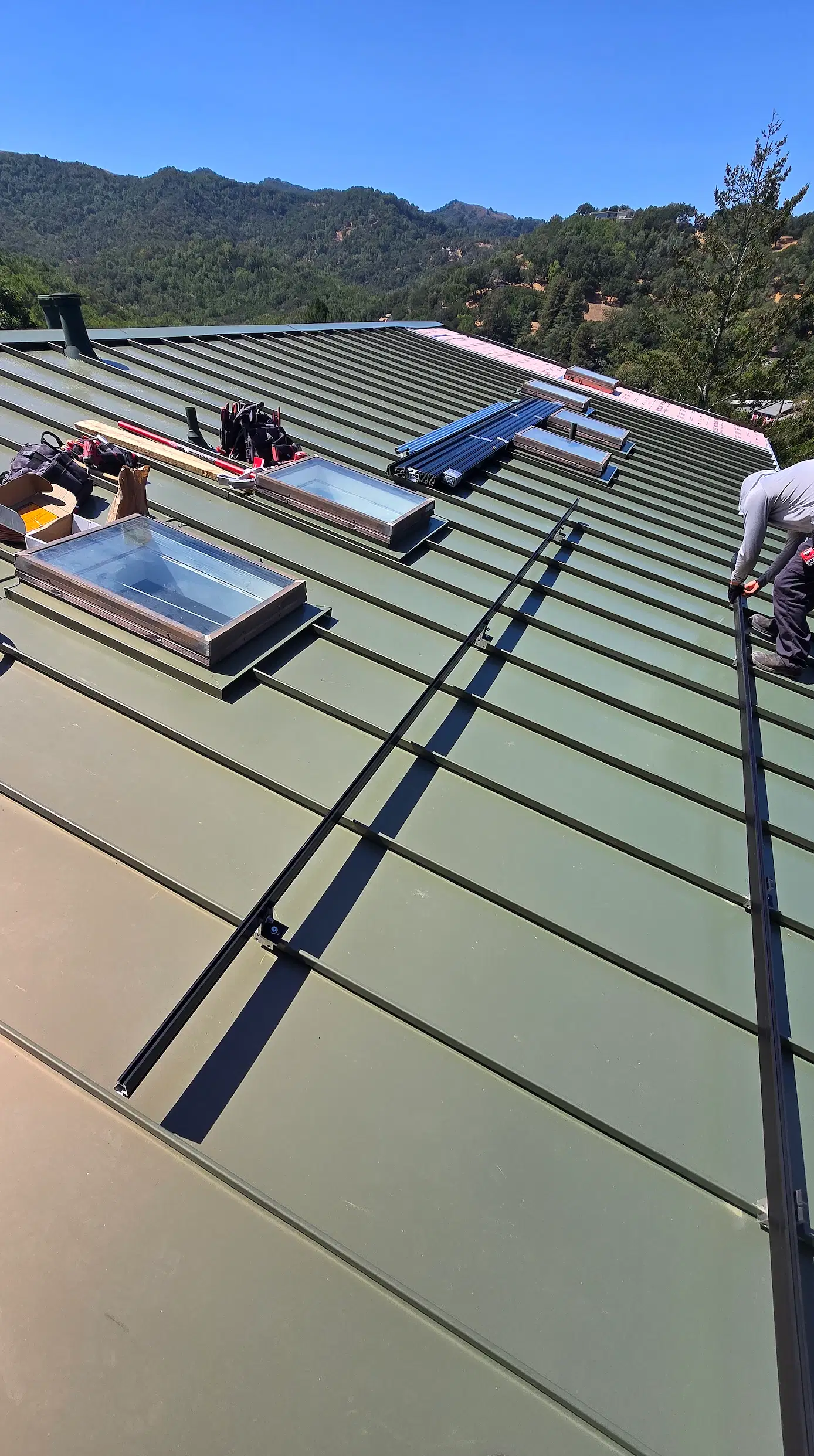
Furthermore, durability against foot traffic is a crucial consideration. Flat roofs often house HVAC units, solar panels, and skylights, which means technicians will periodically need to walk on the surface. A delicate membrane will suffer punctures easily, compromising the entire waterproofing system.
Exploring Your Best Material Options
When evaluating materials for your property, multi ply flat roof installation lifespan and maintenance should be at the forefront of the conversation. Multi-ply systems offer redundancy; if the top layer is slightly damaged, the lower layers continue to protect the building.
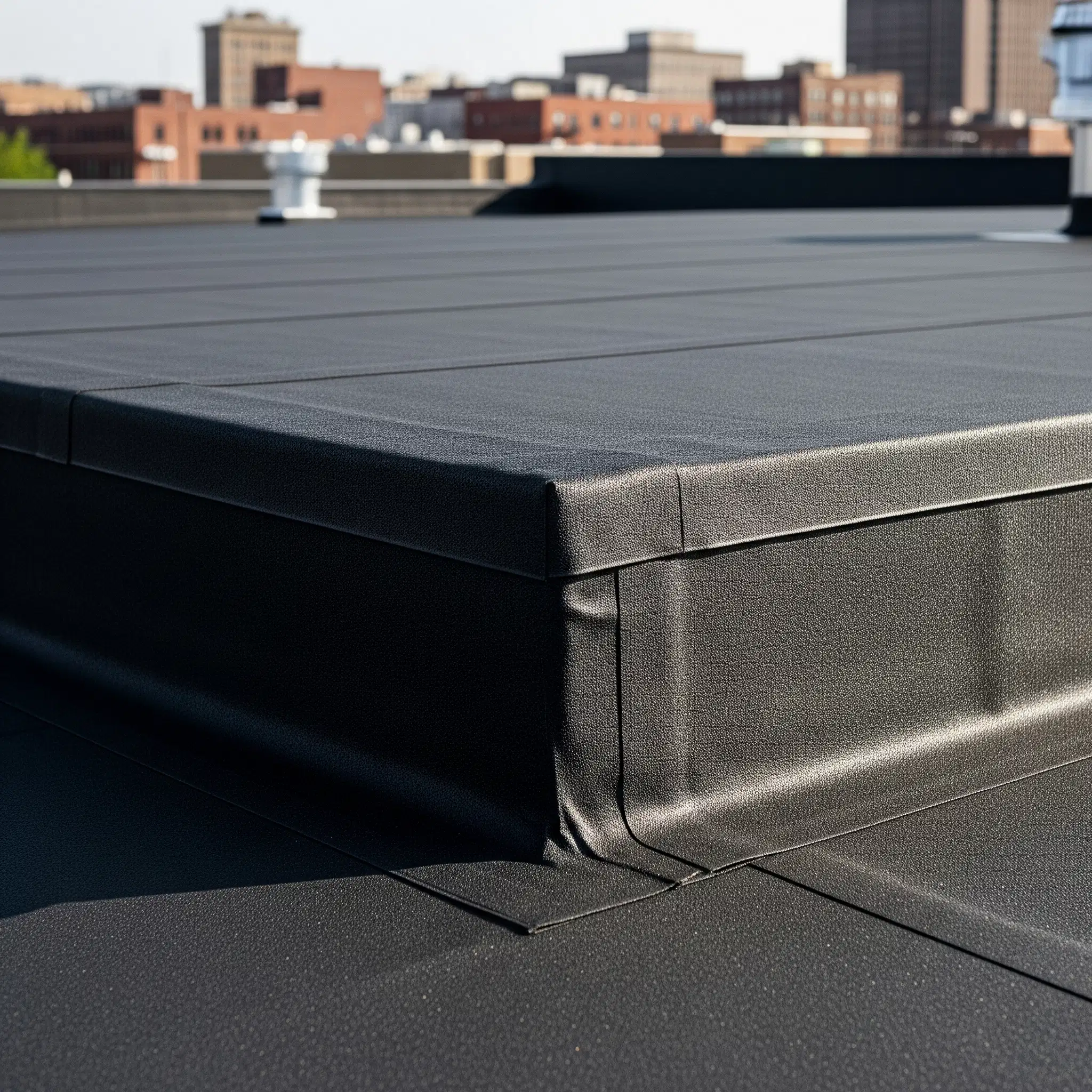
One of the most trusted solutions in the industry is Modified Bitumen. This material evolves traditional asphalt roofing by adding polymer modifiers that significantly enhance its performance, flexibility, and durability. It comes in multiple layers, providing excellent waterproofing and resistance to tears.
When discussing these systems, the topic of sbs vs torch down modified bitumen roofing frequently arises. SBS (Styrene-Butadiene-Styrene) is a specific type of modified bitumen that incorporates synthetic rubber. This addition makes the membrane incredibly flexible, allowing it to adapt effortlessly to temperature swings without becoming brittle over time. SBS systems can be applied using cold adhesives, self-adhering layers, or hot mopping, making them a versatile choice, especially in areas where using an open flame (torch down) poses a fire risk.
To ensure maximum protection at the vulnerable edges and transitions of your flat roof, incorporating Custom Metal fabrications is highly recommended. Properly installed custom metal coping, flashing, and drip edges not only provide a clean, finished architectural look—perfect for a historic Craftsman Bungalow transitioning to a modern flat addition—but they also secure the membrane edges against heavy wind uplift and water intrusion.
Energy Efficiency and Code Compliance
Modern roofing is about more than just keeping the rain out; it is about keeping energy bills manageable and complying with strict environmental regulations. Properties in California must often adhere to Title 24 cool roof requirements. These energy efficiency standards mandate that roofing materials reflect a significant portion of the sun's rays and emit absorbed heat back into the atmosphere.
Installing a highly reflective membrane helps reduce the urban heat island effect—a major priority across the East Bay—while keeping your interior spaces cooler during the summer months. This directly translates to less reliance on air conditioning and lower utility bills.
While high-quality, compliant materials might present a slightly higher upfront cost compared to basic patch jobs from a local handyman, the long-term savings in energy efficiency, reduced maintenance, and avoidance of premature failure make them the smarter financial choice for established homeowners.
Partnering with the Right Roofing Professionals
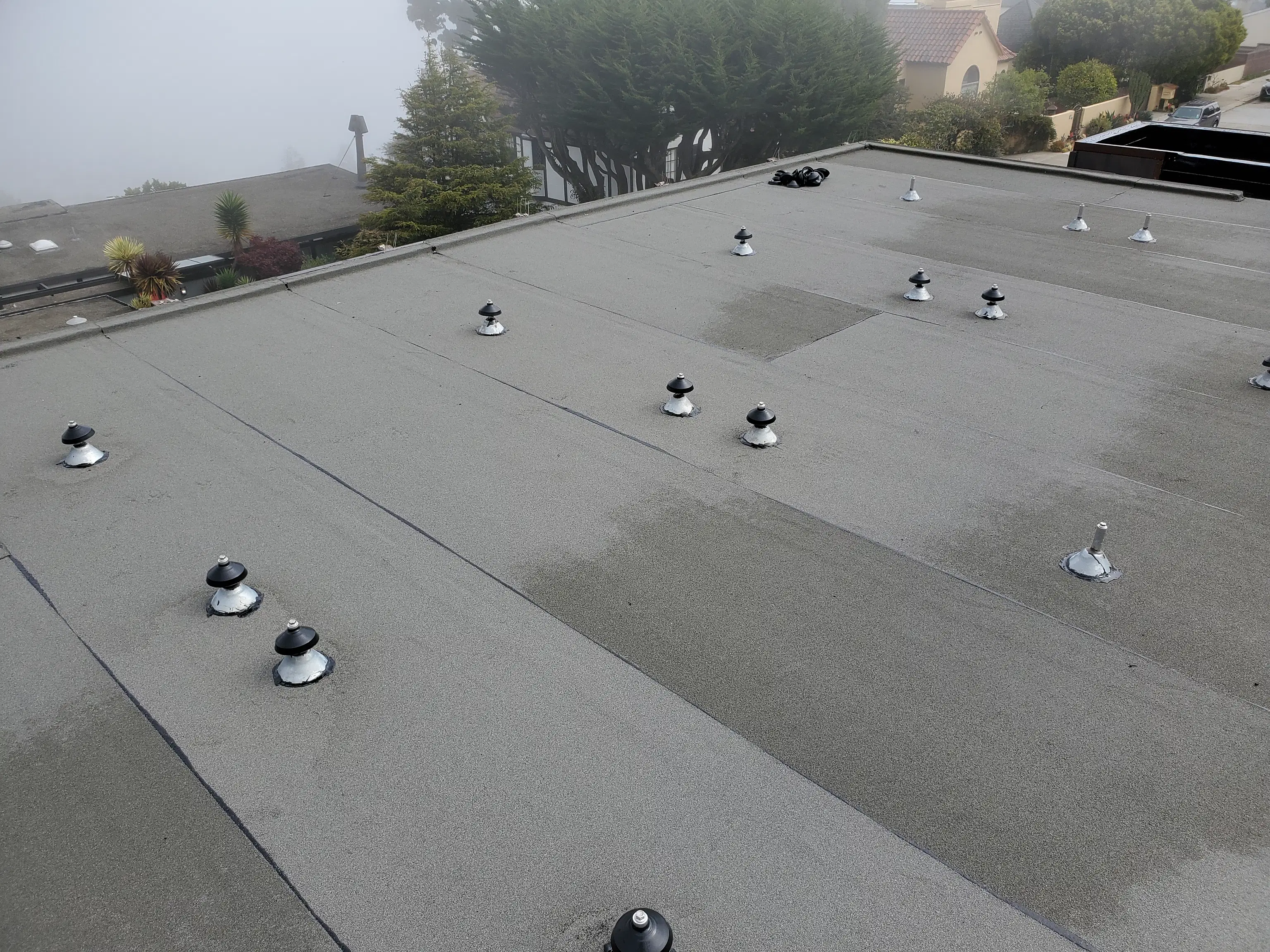
Selecting the right membrane is only half the equation; expert installation is what truly guarantees performance. Because flat roofs require precise sloping, meticulous seam welding, and flawless flashing integration around penetrations, relying on an experienced roof replacement contractor is essential. Working with licensed, bonded, and insured professionals protects your investment and ensures the job is done right the first time, complete with strong manufacturer warranties.
If you are noticing signs of wear, experiencing leaks, or simply planning an upgrade for your property, Berkeley Roof Services is here to help. We understand the specific needs of buildings in The Town and the surrounding areas, and we are committed to providing transparent estimates and top-tier craftsmanship. Contact us today to discuss your project, explore your membrane options, and secure the reliable, long-lasting roof your home deserves.