
5 Clear Signs Your Attic Needs Better Ventilation
When you think about the overall health of your home, your attic probably isn't the first thing that comes to mind. Because it is largely out of sight, it is usually out of mind. However, the space sitting just beneath your roof deck plays a crucial role in regulating your home's temperature, managing moisture levels, and maximizing your overall energy efficiency. At Berkeley Roof Services, we frequently speak with homeowners throughout Oakland who are dealing with unexplained temperature fluctuations or rising energy costs, only to discover that the root of the problem lies right above their ceilings.
Your roof is designed to protect your home from the elements, but without proper airflow, it can actually trap destructive heat and moisture inside. Having a reliable roofing system means more than just laying down quality shingles; it requires a comprehensive approach to how your home breathes. Whether you are wondering how to improve your home's energy efficiency or looking for ways to prolong the life of your current roof, understanding the importance of attic airflow is the perfect place to start.
The Core Principle: How Your Attic Should Breathe
To keep a roof in optimal condition, the space underneath it requires constant, passive airflow. This is achieved through balanced attic intake and exhaust ventilation. Fresh air should continuously enter the lowest part of your roof (usually through soffit vents under the eaves) and naturally rise to exit through the highest point (via ridge vents or roof louvers).
When this system is out of balance, the air becomes stagnant. In The Bay Area, where our coastal climate brings unique weather patterns like the delta breeze and thick morning fog, a lack of air circulation can quickly turn an attic into a moisture trap. When intake vents are blocked by insulation or dust, or when exhaust vents are insufficient for the square footage of the attic, the resulting trapped air begins to compromise the structural integrity of your home.
Modern roofing services have evolved significantly. Today, we utilize drone inspections to safely and accurately evaluate the exterior venting on your property, ensuring your system meets strict local building codes and energy efficiency mandates without the guesswork of the past.
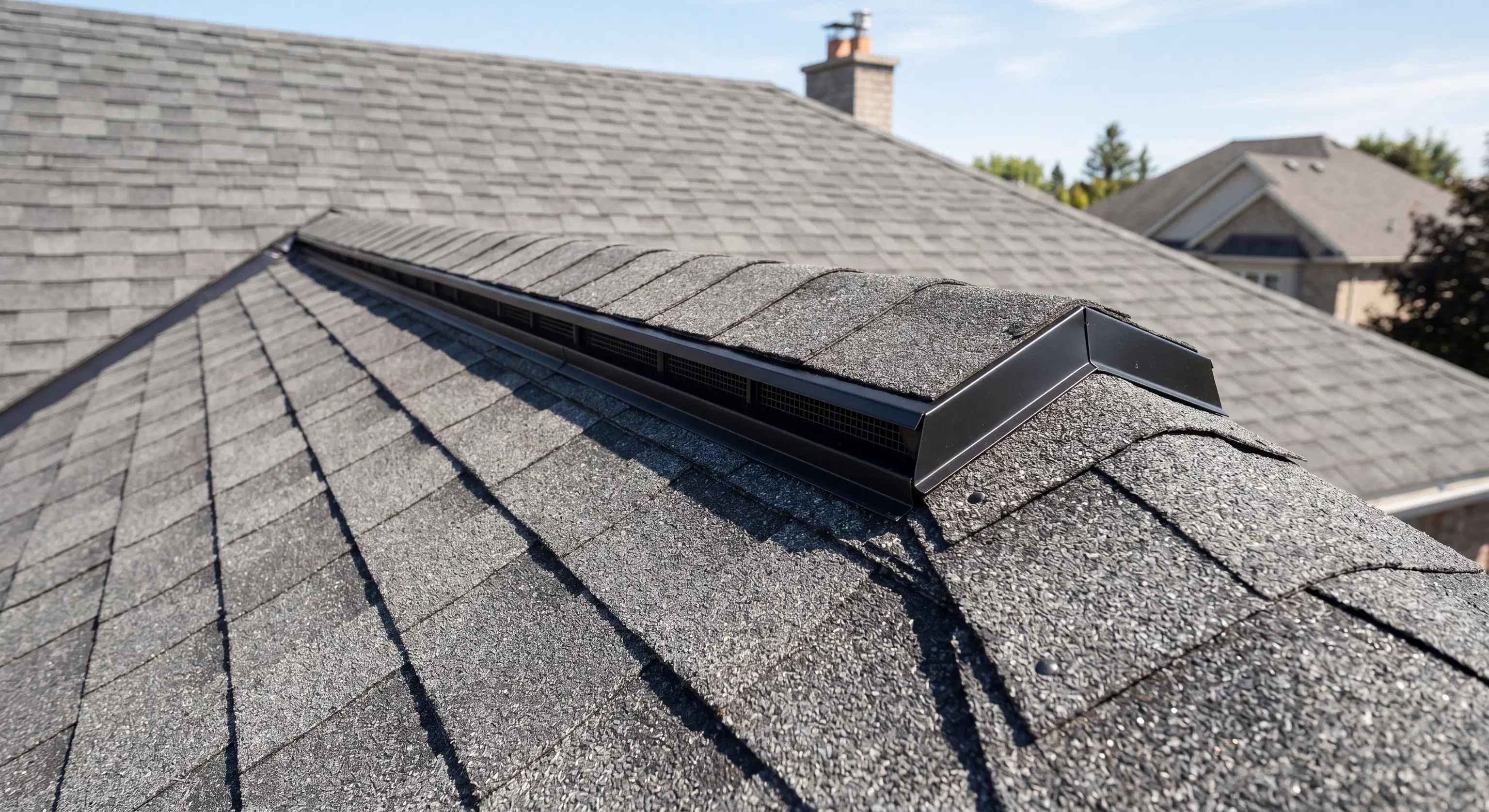
Recognizing Winter Moisture Problems
Many homeowners assume that attic airflow is only a summer concern, but winter presents its own set of distinct challenges. As you run your heating system during colder months, warm, moist air from cooking, showering, and daily living naturally rises into the attic. If the attic is poorly ventilated, this warm air collides with the cold underside of your roof deck.
One of the most common signs of poor attic ventilation in winter is condensation forming on the nails and wood decking inside the attic. Over time, this constant dampness leads to serious problems. If you are wondering how to prevent attic condensation and mold, the answer almost always comes down to improving your home's airflow. When moisture cannot escape, mold and mildew begin to grow on the wooden rafters, which can eventually compromise the structural integrity of the roof deck itself.
Addressing these moisture issues early through targeted roofing repair can save you from a major financial headache down the line. A healthy, dry attic is essential not only for the longevity of the structure but also for maintaining safe indoor air quality for your family.
Summer Heat Traps and Shingle Damage
While winter brings moisture, summer brings intense, trapped heat. A poorly ventilated attic can reach staggering temperatures—sometimes soaring well over 150 degrees on a hot sunny day. This extreme heat doesn't just stay in the attic; it radiates down into your living spaces, forcing your air conditioning to work overtime and driving up your monthly utility bills.
More importantly, this trapped heat literally bakes your roofing materials from the inside out. Homeowners often ask us: how long does an asphalt shingle roof typically last? Under ideal conditions with proper ventilation, high-quality asphalt shingles can last 25 years or more. However, if those shingles are constantly subjected to extreme attic heat, their protective granules can blister, crack, and shed prematurely, cutting their lifespan significantly.
If you are noticing curling shingles, excessive granule loss in your gutters, or a wavy appearance to your roof line, you might be seeing the signs that your roof needs to be replaced instead of repaired. Upgrading to cooler, eco-friendly roofing materials or considering options like metal roofing can significantly improve your home's heat resistance, provided the underlying ventilation is balanced correctly.
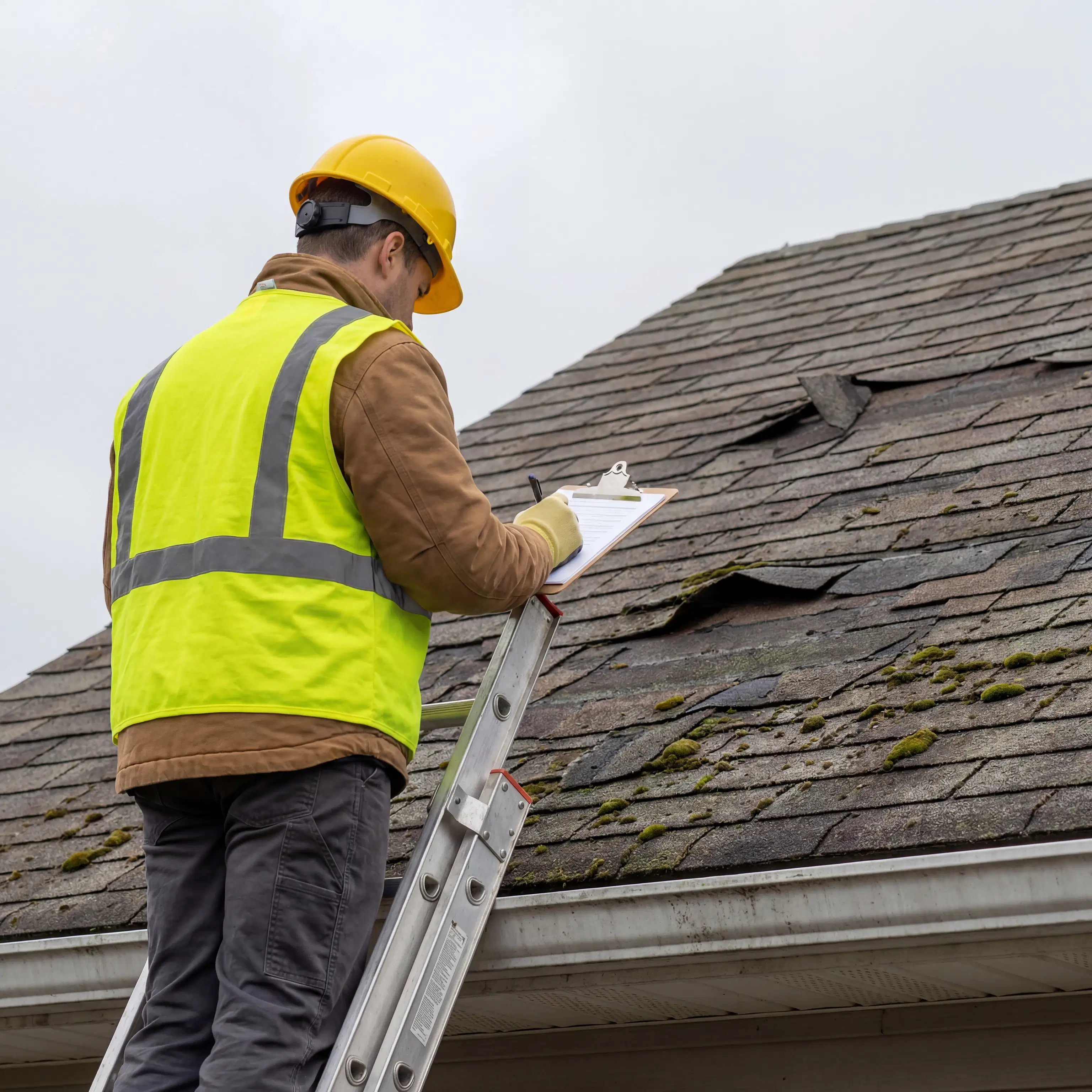
Trusting the Right Professionals
Navigating home repairs can be stressful. Homeowners often worry about high costs, hidden fees, and finding contractors they can actually trust. The roofing industry has seen its share of out-of-state storm chasers and aggressive salespeople, which is why working with an established, licensed local company is critical. We know that clear and upfront pricing estimates, high-quality workmanship, and strong warranties are your top priorities.
We also know that replacing a roof is a significant investment. Routine maintenance and addressing ventilation issues before they cause widespread damage is the smartest way to protect your property and your wallet. By ensuring your attic is breathing properly, you protect your home against the unpredictable supply chain delays and sudden material cost spikes that can make emergency repairs so frustrating.
If you are noticing uneven temperatures in your home, condensation in your attic, or shingles that look prematurely aged, it is time to have a professional take a look. Berkeley Roof Services has been a proud part of the East Bay community for decades, offering straightforward advice and expert craftsmanship.
Don't let poor airflow quietly damage your home. Reach out to us through our contact page to schedule a thorough inspection, and let our team ensure your home in Oakland is protected, efficient, and breathing easy all year round.